
Pediatric
Pediatric Digestive Concerns
Comfort and movement
matter during early development.
Pediatric digestive concerns can have many causes. We assess musculoskeletal tension and function while supporting coordinated care with your child's medical provider.
Serving Whitefish and the Flathead Valley.

The clinical picture
Persistent symptoms have a cause — and it can be identified.
Evaluating these mechanical and neurological pieces often explains why the pattern hasn't responded to anything else.
The feeding and pooping diary
What pediatric digestive concerns typically feels like day to day.
- Frequent spit-up or projectile reflux after feeds
- Arching, fussing, and pulling away mid-feed
- Constipation, infrequent stools, or hard straining
- Excessive gas, bloating, and discomfort
- Wakes from sleep crying with apparent belly pain
- Trouble settling unless held upright after a feed
What this means over time
Digestive discomfort affects an infant's feeding, weight gain, and sleep — and the whole household along with them. When the pattern is mechanical or neurological in origin, medication manages symptoms without resolving the cause, which is why improvement often plateaus. A full evaluation identifies whether those contributors are present and treatable.
Untreated digestive patterns in infancy often turn into long stretches of reflux medication, feeding aversion, slow weight gain, and chronic constipation patterns that follow kids into toddlerhood. The nervous-system and positional contributors are rarely screened.
A precise evaluation is the starting point.
Dr. Smith's examination identifies the specific structures involved, measures how they're functioning, and determines — honestly — whether our care is the right fit for what you're dealing with.
Caregiver observations
Changes families commonly report.
- You always have a burp cloth on your shoulder
- Baby has to be held upright for 20 minutes after every feed
- You've stopped going places where baby can't be held vertically
- Diaper changes have become a stress point
- Sleep is broken by belly pain, not hunger
Causes & clinical context
Understanding what may contribute to pediatric digestive concerns.
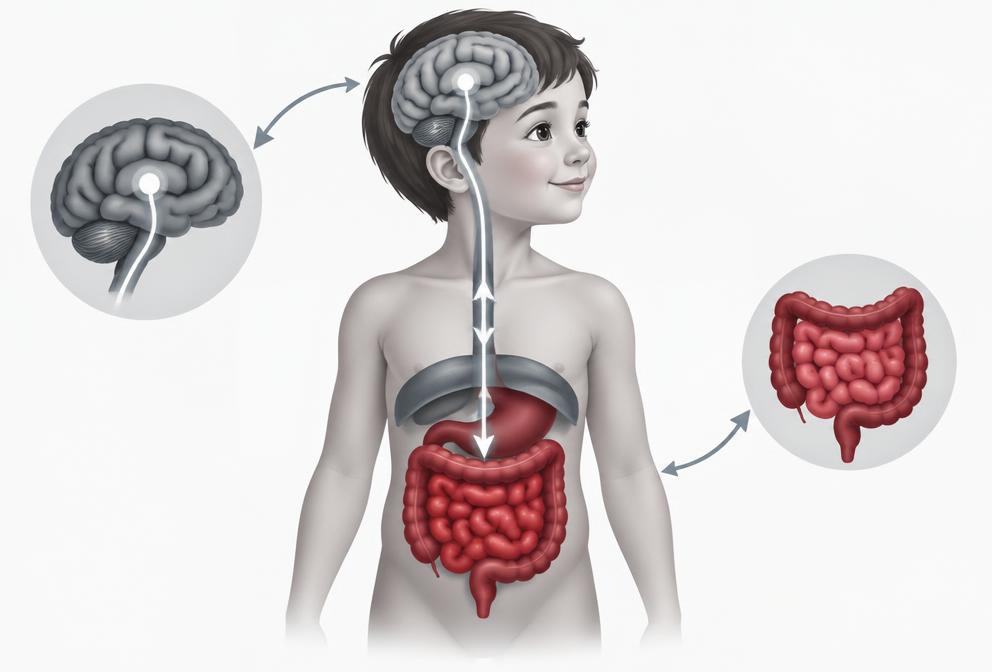
Common underlying causes
- Vagus-nerve and upper-cervical tension affecting digestive regulation
- Birth-related tension that compresses positioning of the diaphragm and gut
- Latch and feeding mechanics swallowing extra air
- Immature gut and digestive coordination in young infants
What's usually offered — and where it falls short
Reflux medications (PPIs, H2 blockers)
Limit: Useful in some cases, but frequently prescribed before positional, feeding, and nervous-system contributions have been evaluated.
Formula changes and elimination diets
Limit: Worth a trial when a true intolerance is suspected, but doesn't address the mechanical or nerve piece if that's what's driving the pattern.
Laxatives and stool softeners for constipation
Limit: Help short term without addressing the nervous-system regulation behind a sluggish gut.
Evaluation and care
A plan based on the findings.
- A focused history and examination
- Orthopedic and neurologic screening when indicated
- Care matched to the structures and functional findings involved
- Objective reassessment with referral when appropriate
What to expect
First visit
Examination, findings, and a clear recommendation for the appropriate next step.
During care
Symptoms and function are tracked so the plan can be adjusted as needed.
Reassessment
Progress is measured rather than assumed, with referral when goals are not being met.
How Dr. Smith treats this differently
Our Digestive Care approach for Pediatric Digestive Concerns.
Gentle pediatric chiropractic care for infants and children with reflux, spit-up, constipation, gas, and other digestive patterns linked to nervous-system regulation.
Explore the Digestive Care ProgramCommon Questions
Frequently Asked Questions
Stop living around pediatric digestive concerns.
Start with a $47 new patient evaluation and we'll tell you honestly whether we can help.