
Joint
Hip Pain
Walk, sit, and stand
without constantly adjusting for hip pain.
Pain around the hip may begin in the joint, nearby tendons, the pelvis, or the lower back. An examination helps identify the most likely source.
Serving Whitefish and the Flathead Valley.

The clinical picture
Persistent symptoms have a cause — and it can be identified.
Where hip pain is felt does not always reveal where it begins. Examination of the hip, pelvis, and lumbar spine helps distinguish joint restriction, tendon irritation, arthritis, and referred symptoms.
Recognizing the signs
What hip pain typically feels like day to day.
- Groin or outer-hip pain
- Stiffness after sitting
- Pain with stairs or hills
- Difficulty lying on one side
- Reduced walking or hiking tolerance
What this means over time
When the hip becomes less tolerant of load, people often shorten walks, avoid uneven terrain, and compensate through the back or knee. Identifying the source helps set realistic goals.
Compensation can place additional demand on nearby joints. Sudden inability to bear weight, significant trauma, fever, or rapidly worsening pain needs prompt medical assessment.
A precise evaluation is the starting point.
Dr. Smith's examination identifies the specific structures involved, measures how they're functioning, and determines — honestly — whether our care is the right fit for what you're dealing with.
Causes & clinical context
Understanding what may contribute to hip pain.
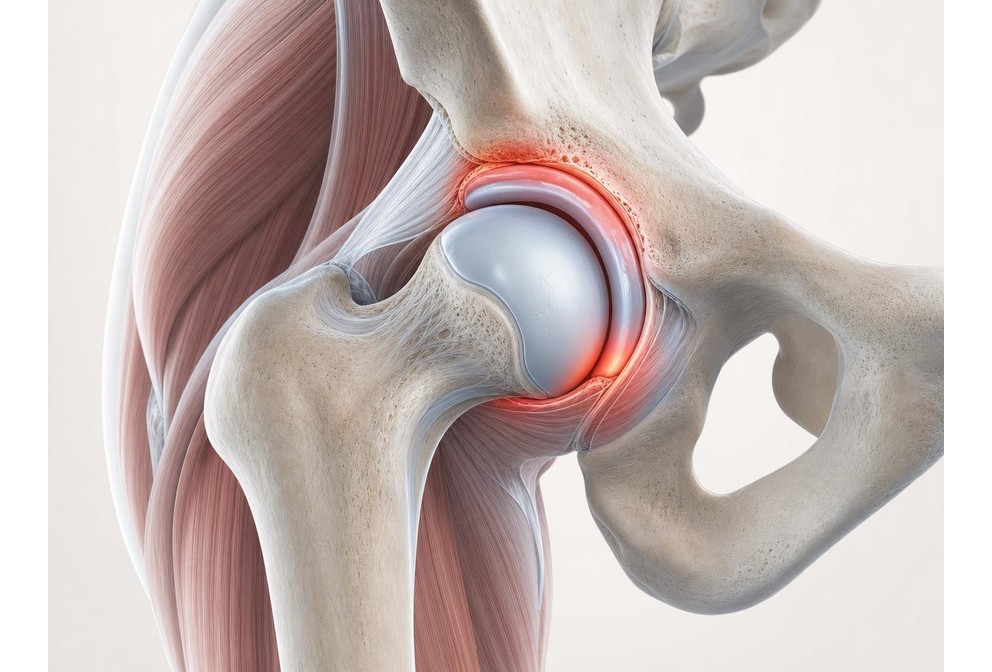
Common underlying causes
- Hip-joint irritation or arthritis
- Gluteal tendon irritation
- Sacroiliac or lumbar referral
- Reduced hip mobility
- Previous injury or repetitive loading
What's usually offered — and where it falls short
Anti-inflammatory medication
Limit: Can reduce symptoms without correcting load tolerance or movement limitations.
Rest alone
Limit: Extended inactivity may further reduce strength and capacity.
Evaluation and care
A plan based on the findings.
- Hip and lumbar screening
- Joint and soft-tissue care when indicated
- Shockwave therapy for appropriate chronic tendinopathy
- Hip and trunk strengthening
What to expect
First visit
A focused history and examination identify the likely source and screen for findings that need referral.
Early care
Treatment is matched to the exam findings, with symptoms and function tracked rather than assumed.
Reassessment
Progress is measured and the plan is continued, changed, or referred when appropriate.
How Dr. Smith treats this differently
Our Joint Pain Therapy approach for Hip Pain.
Shockwave therapy, joint mobilization, and corrective rehab for tendinopathies, bursitis, sprains, and post-injury joint pain that's lingered past its welcome.
Explore the Joint Pain Therapy ProgramCommon Questions
Frequently Asked Questions
Related conditions
Clinical note: Suspected fracture, advanced arthritis, infection, or another condition outside conservative care may require imaging or orthopedic referral.
Stop living around hip pain.
Start with a $47 new patient evaluation and we'll tell you honestly whether we can help.